
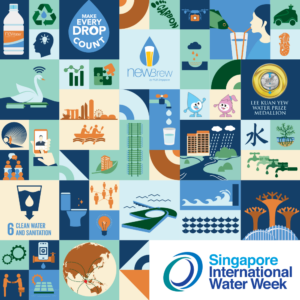
SMEP Poster for 2026 Singapore International Water Week
SMEP Poster for Singapore International Water Week 2026 SMEP successfully submitted a poster presentation for the 2026 Singapore International Water Week held between the 16th and 18th June. RSK sponsored the SMEP submission under the Used Water Management, Reuse & Industrial Water Solutions themes. The poster covered 5 of the
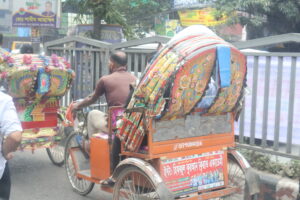
Barrier to Import Batteries and Lead Poisoning in Bangladesh
Barrier to Import Batteries and Lead Poisoning in Bangladesh The paper Barrier to Import Batteries and Lead Poisoning in Bangladesh examines the unintended consequences of battery import restrictions introduced in Bangladesh in 2015. The research argues that policies designed to support domestic industry and expand local manufacturing may also have contributed
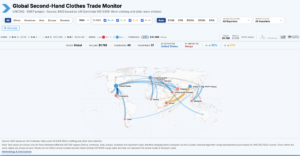
Global Secondhand Clothes Trade Monitor
Global Secondhand Clothes Trade Monitor Global trade in secondhand clothing (SHC) plays a vital role in promoting textile circularity. By extending the lifespan of garments, it helps reduce the pressure on landfills in exporting countries and provides affordable clothing options in importing countries where new garments are often financially inaccessible
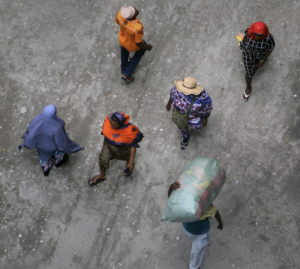
Trade in Secondhand Clothing: Analysis of markets in Uganda, the United Republic of Tanzania and the United States of America
Trade in Secondhand Clothing Analysis of markets in Uganda, the United Republic of Tanzania and the United States of America Global trade in secondhand clothing (SHC) plays a vital role in promoting textile circularity. By extending the lifespan of garments, it helps reduce the pressure on landfills in exporting countries
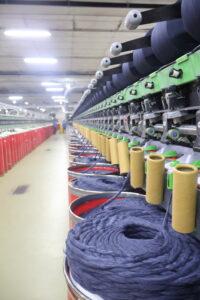
Pakistan’s Circular Textile Opportunity in the Digital Era
Pakistan’s Circular Textile Opportunity in the Digital Era A policy brief This policy brief presents the key findings and recommendations developed under Work Packages 4 and 6, focusing on the critical opportunities and challenges within Pakistan’s textile and garment industry. As one of the world’s largest textile exporters, Pakistan stands
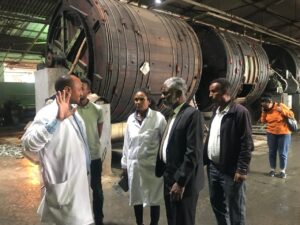
Recycling of Tannery Fleshing Fat into Functional Crunch Leather
Recycling of Tannery Fleshing Fat into Functional Crunch Leather Crunch leather is a special class of leather that exhibits a double-tone effect on the surface due to the migration of oil within the leather surface. In this study, extracted fat has been used in place of oil to get crunch