Sustainable Manufacturing and Environmental Pollution Programme

Plastics pollution

Beyond Recycling: How GIVO is building a more inclusive circular economy in West Africa

Community trust, inclusive design, and women’s leadership are turning recycling into a fairer green economy. In many West African cities, plastic waste is both an environmental crisis and a missed economic opportunity. Informal waste systems often mean unsafe working conditions, limited job security, and few meaningful opportunities for women and young people. GIVO (Garbage In, […]

Beyond Recycling: How GIVO is building a more inclusive circular economy in West Africa Read More »
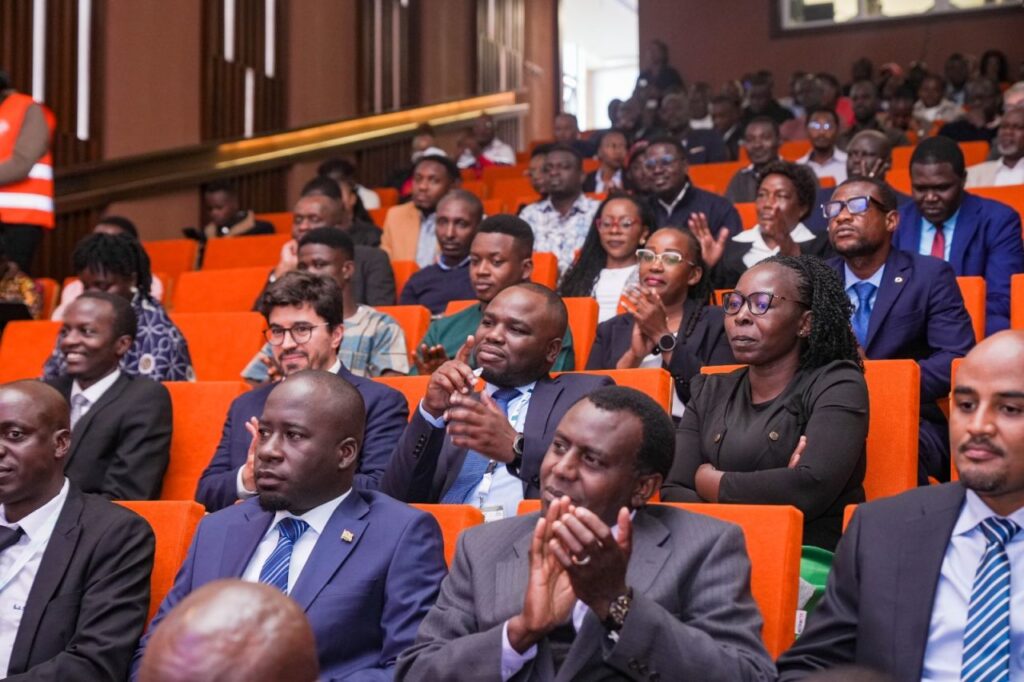
SMEP grantees make their mark at the 3rd Africa Waste is Wealth Summit

The third edition of the Africa Waste is Wealth Summit (AWWS III), held in June 2026, brought together a broad cross-section of stakeholders from across Africa – government agencies, private sector actors, UN bodies, financiers, researchers, and innovators – united by a common agenda: transforming waste from a problem into an economic and environmental opportunity.

SMEP grantees make their mark at the 3rd Africa Waste is Wealth Summit Read More »

From climate ambition to decent work: what just transition means in practice

Climate action is accelerating. Governments, businesses and investors are looking to circular economy models, cleaner production and green industries as part of the transition to a more sustainable future. But what kind of work is being created in this transition? At COP30, countries agreed to establish a Just Transition Mechanism. This has been welcomed as an opportunity

From climate ambition to decent work: what just transition means in practice Read More »

Just transitions in manufacturing: integrating human rights and environmental sustainability

The SMEP Programme has teamed up with the Ethical Trading Initiative – Join us on 19 May 2026 from 10:00-11:00 (BST) for  Just transitions in manufacturing: integrating human rights and environmental sustainability, the next webinar in the ETI insights series featuring lessons learnt from the SMEP Programme. This webinar has now ended. You can access a recording of the webinar here.

Just transitions in manufacturing: integrating human rights and environmental sustainability Read More »

Making Plastics Recovery Work: Viability, Traceability and Transition Pathways

A three-part online webinar series on plastics end-of-life systems in Sub-Saharan Africa Session 1: Making plastics recovery models viableThursday 7 May 2026  Session 2: Traceability, standards and regulatory alignmentWednesday 13 May 2026  Session 3: Substitutes, compostability and regional pathwaysWednesday 20 May 2026  All sessions start at 09:00 UTC / 10:00 WAT / 11:00 CAT /

Making Plastics Recovery Work: Viability, Traceability and Transition Pathways Read More »

Oil shocks ripple through plastics, but trade barriers hold back their greener alternatives

Oil price shocks reach far beyond the pump: into the plastic and synthetic fibres woven through global trade. Yet material substitutes, derived from agricultural residues and renewable biomass, already produced in developing countries, remain constrained by trade rules, standards and market access. © UN Trade and Development (UNCTAD)/Maria Durleva | Plastic nurdles, small pellets made from fossil fuels or recycled plastics, used as the raw material

Oil shocks ripple through plastics, but trade barriers hold back their greener alternatives Read More »

Raw potential: How Africa is recasting industrial power beyond plastics

The future of Africa’s industrialisation may not lie in silicon chips or machine learning but in sustainable natural materials and regional cooperation. Across East and West Africa, governments are moving beyond extractive models and towards policies that fuse environmental resilience with industrial renewal. In Ghana, a national policy blueprint is steering the country’s economy towards

Raw potential: How Africa is recasting industrial power beyond plastics Read More »

From Evidence to Impact: SMEP’s footprint on the Global Plastics Treaty

With mounting evidence of the pervasive nature of the plastics pollution crisis, to the extent that micro-plastic is now found in Arctic ice and human bloodstreams, and global production exceeding 460 million tonnes per year, incremental solutions are no longer enough. The upcoming resumed session of the 5th round of negotiations for the Global Plastics

From Evidence to Impact: SMEP’s footprint on the Global Plastics Treaty Read More »

Scroll to Top