The third edition of the Africa Waste is Wealth Summit (AWWS III), held in June 2026, brought together a broad cross-section of stakeholders from across Africa – government agencies, private sector actors, UN bodies, financiers, researchers, and innovators – united by a common agenda: transforming waste from a problem into an economic and environmental opportunity. For the SMEP Programme, the summit was a significant moment of visibility, with four grantees and one SMEP-linked forum participating and presenting their work to an African and international audience.
AWWS III reinforced a growing consensus that Africa’s waste challenge must be reframed as a resource opportunity. Across sessions, a recurring message emerged: too many promising innovations remain stuck at the pilot or incubation stage, and a decisive push towards commercial scale is now urgently needed. Speakers and panellists called on governments, financiers, and development programmes alike to move beyond awareness-raising and into the structural changes – policy frameworks, accessible finance, and enabling ecosystems – that will allow waste-to-wealth solutions to thrive at scale.
One particularly striking observation came from the opening sessions, where a presenter framed waste management as disaster risk management infrastructure – a conceptual reframe that linked effective waste systems directly to climate resilience and urban sustainability. The summit also placed strong emphasis on the role of youth in driving innovation in the sector, the need for better financial instruments accessible to small and medium enterprises, and the untapped potential of agro-waste as a resource stream that the wider waste sector has yet to fully embrace.
Shifting the narrative on waste
SMEP grantees participating at the event came aways with insightful feedback and critical connections towards addressing the growing waste crisis – and opportunity – in Africa. Below are some key insights.
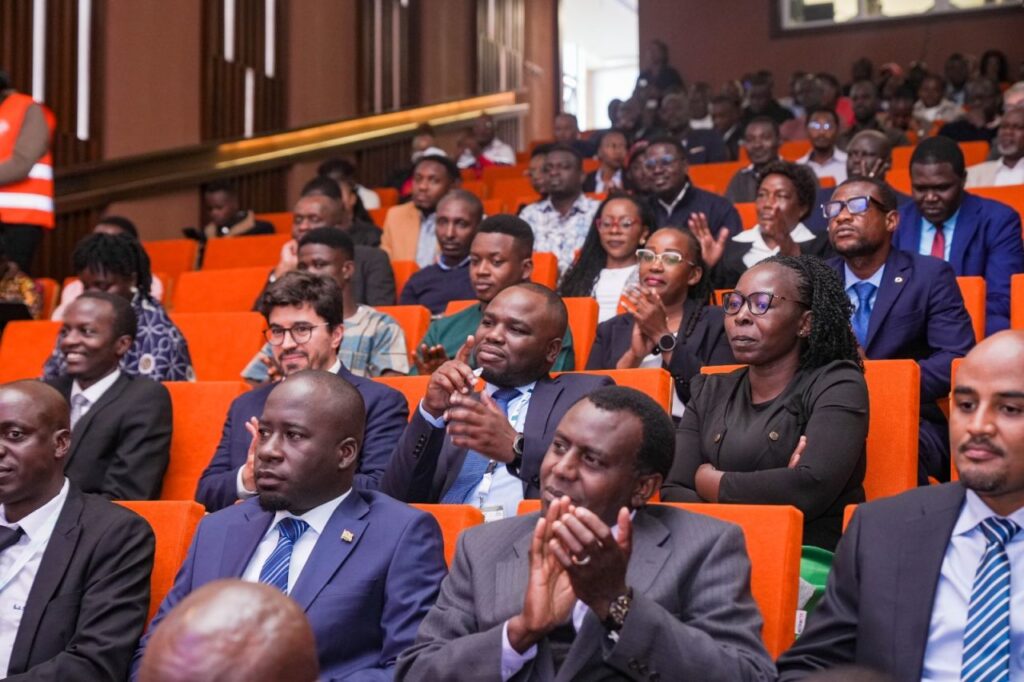
Participants at the AWWS III covered a wide variety of important stakeholder groups, from government organisations to private entities, all with a unified purpose: shifting the narrative on waste. Photo Credit: TakaTaka ni Mali
1 | Waste as a resource: Don't overlook what grows in the field
One of the most consistent contributions SMEP grantees made at AWWS III was pushing the summit’s frame of reference beyond industrial and municipal waste to include agricultural biomass. Samuel Thuo of the East Africa Alternative Fibres Forum– a network that itself grew out of SMEP engagement – made the case that agro-waste should be seen not as a nuisance to be controlled, but as a valuable raw material: a source of biomass and input material that communities and industries can actively work with. Kimani Muturi of TEXFAD echoed this, finding that fellow delegates were genuinely surprised to discover how many diverse products can be derived from a single agro-waste stream such as banana stems. Where most summit participants were focused on one or two outputs from their waste streams, TEXFAD’s banana fibre work demonstrated that diversification is both possible and commercially promising – a revelation that visibly shifted thinking in the room. Together, the voices of Samuel and Kimani made a compelling case that agro-waste deserves a far more prominent place in Africa’s waste-to-wealth agenda.
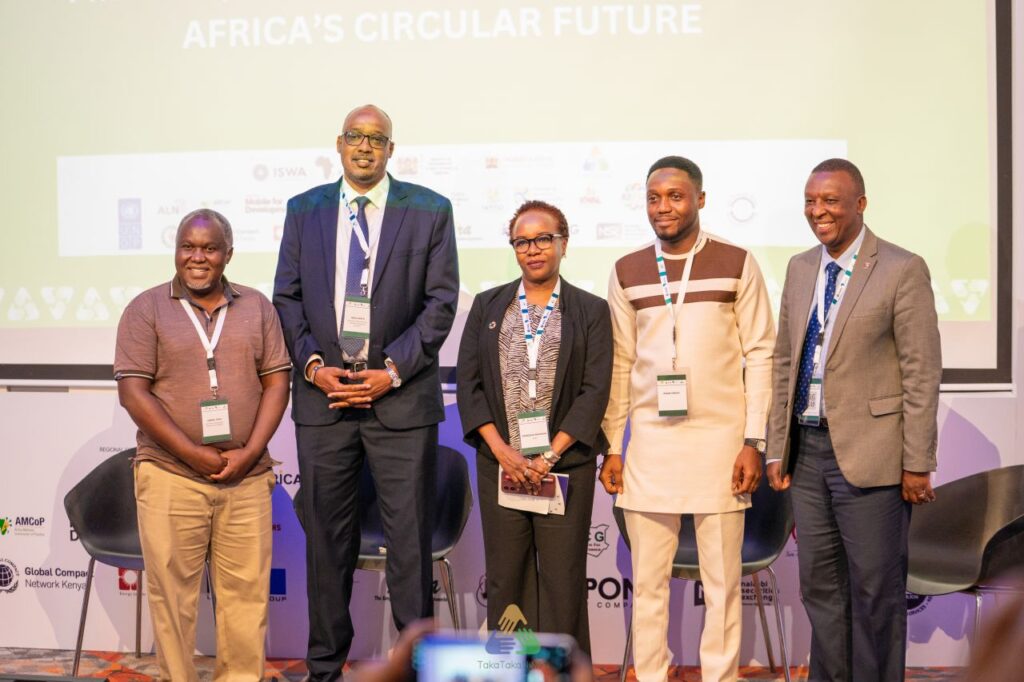
Kimani Muturi (third from the left) following his presentation and panel discussion on the 'Valorisation of banana fibre for sustainable design and green innovation', speaking directly to the session theme of technology, innovation and digitalisation in waste management. Photo Credits: TakaTaka ni Mali
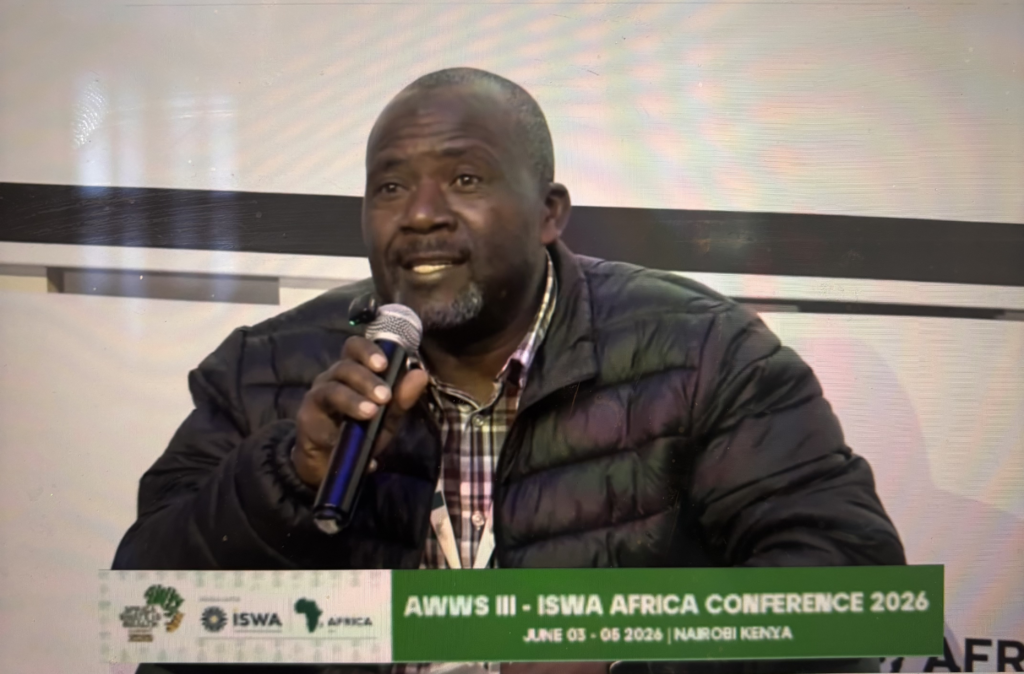
Samuel Thuo (first left) representing the East Africa Alternative Fibres Forum in a panel discussion where he presented 'From crop waste to climate-smart materials: unlocking alternative fibre value chains for Africa's circular bioeconomy'. Photo Credits: TakaTaka ni Mali
2 | Prevention over cure: A paradigm shift in waste thinking
While much of the summit was oriented around managing waste after it has been generated, Peter Ohon of the Kenya National Cleaner Production Centre offered a striking counterpoint. His presentation on Resource Efficiency and Cleaner Production (RECP) in the Nairobi Rivers Basin introduced cleaner production as a fundamentally preventive approach – intervening before waste is generated rather than treating it as an inevitable problem to be solved downstream. For many in the audience, this represented a genuine paradigm shift: a prompt to step back from the relentless task of dealing with waste and ask whether much of it need be created in the first place.
Closely linked to this was the concept of industrial symbiosis, which resonated strongly with delegates. Rather than each company treating its waste as a discrete disposal problem, industrial symbiosis re-conceives waste streams as shared resources – where the by-product of one business becomes a productive input for another. This kind of lateral thinking has the potential to reduce costs, lower environmental impact, and create new commercial relationships between companies that might never otherwise have engaged. For an audience grappling with the scale of Africa’s waste challenge, the idea that partnerships – rather than infrastructure alone – could unlock significant resource efficiency gains was both practical and energising. Peter noted that these collaborations do not always need to be engineered from scratch; often, the right facilitation is enough to reveal symbiotic opportunities that were already latent within an industrial cluster.
Peter Ohon discussing the importance of industrial symbiosis and using this principle to curb pollution generation rather than only focusing on managing pollution once it is produced. Photo Credit: Staci Warrington (SouthSouthNorth)
3 | Measuring what matters: Green jobs, decent work, and the role of youth
A recurring question at the summit was how to define success in sustainable development – and the answer that gained traction was one that goes well beyond conventional metrics. One session posed the challenge directly: after ten years of effort, how do we measure what we have actually achieved? The answer that resonated most was that success cannot be measured by the number of people trained, but by tangible improvements in working conditions, environmental outcomes, and the creation of green jobs. Mohammed Seid of Ethiopia’s LLPIRC, who participated virtually in his first exposure to an African waste-focused summit of this kind, found this framing in close alignment with the objectives of the Green Tannery Initiative – a project working to replace hazardous chemicals in Ethiopia’s leather sector and improve occupational health and safety for tannery workers. It also echoed the work that SMEP’s Ethical Trading Initiative partners have been conducting through their workshops on decent work and worker safeguarding, pointing to a meaningful coherence across the programme’s different strands.
The summit also gave significant attention to the role of youth in driving the sector forward – and here too, SMEP’s grantees had something tangible to offer. Steve Migwambo of Chanzi reflected that when discussions about youth involvement were at their most animated, he was gratified to be able to say that the sector’s next generation is already present and already leading. As a young entrepreneur himself, Steve saw his participation – and that of other young grantees – as proof that youth are not waiting to be invited into the waste and circular economy space; they are already building it.
4 | Bridging the finance gap
Financing emerged as one of the most debated topics at AWWS III, and SMEP grantees were well placed to contribute to that conversation from direct experience. Samuel Thuo highlighted a persistent structural problem: that minimum ticket sizes from major funders – often starting at $1 million or more – are effectively inaccessible to the grassroots and cottage-level innovators who make up a large share of Africa’s waste-to-wealth ecosystem. Peter Ohon’s presentation on the KNCPC’s financial modelling approach offered one practical response, demonstrating how expert guidance on investment readiness can help smaller enterprises translate their work into proposals that financial institutions can engage with. The broader message from SMEP grantees was clear: the solutions exist, the know-how is in the room, and what is most needed now is a financial architecture that can meet innovators where they are.
5 | Policy, government, and the missing piece
A theme that ran through multiple grantee reflections was the critical – and often absent – role of government in enabling the transition from waste to wealth. Steve Migwambo of Chanzi described the presence of government stakeholders at AWWS III as addressing a real gap: “That’s where we’ve been having so much gap in terms of doing the policy making and supporting these initiatives.” Peter Ohon observed that while diverse government agencies did attend the summit, the actual solutions being advanced were largely driven by the private sector and civil society – pointing to a need for more deliberate strategies to bring government into an active, rather than observational, role. For SMEP grantees working across Ethiopia, Kenya, and Uganda, navigating policy environments is a daily reality, and the summit reinforced that lasting systems change will require governments to move from the audience into the arena.
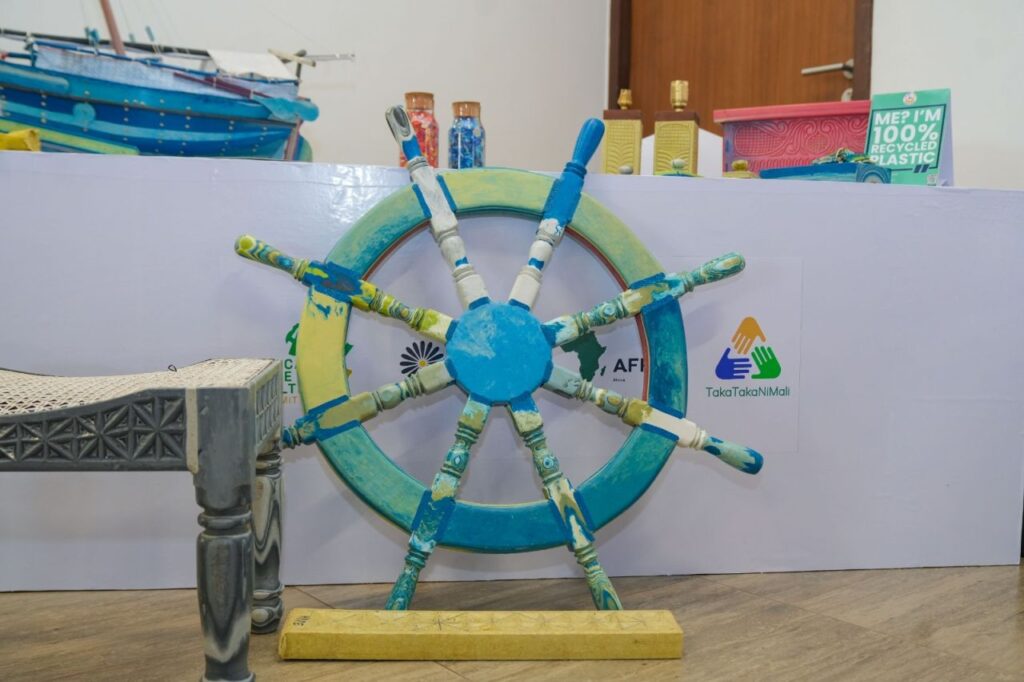
One of the SMEP grantees making significant strides in the East African policy landscape is The Flipflopi Project who were also at the AWWS III, with several of their recycled plastic products on display. They have contributed to a recent policy brief on plastic pollution and single-use plastics in the EAC. Follow the link to read more about this. Photo Credits: TakaTaka ni Mali
6 | The power of connection
Beyond the sessions themselves, AWWS III generated a remarkable density of new relationships and potential collaborations for SMEP grantees.
Kimani Muturi connected with a waste management organisation from Zimbabwe interested in beginning banana stem value addition, met with the Chairperson of Tanzania’s waste collectors’ association who is looking to support emerging banana fibre startups in the country, and linked two early-stage Kenyan entrepreneurs to established local practitioners. Steve Migwambo forged a connection with a mangrove tree planting organisation, opening a potential collaboration around carbon compensation for emissions generated during waste processing – and is also in discussion with an international organisation about contributing Chanzi’s data and experience to sector indices.
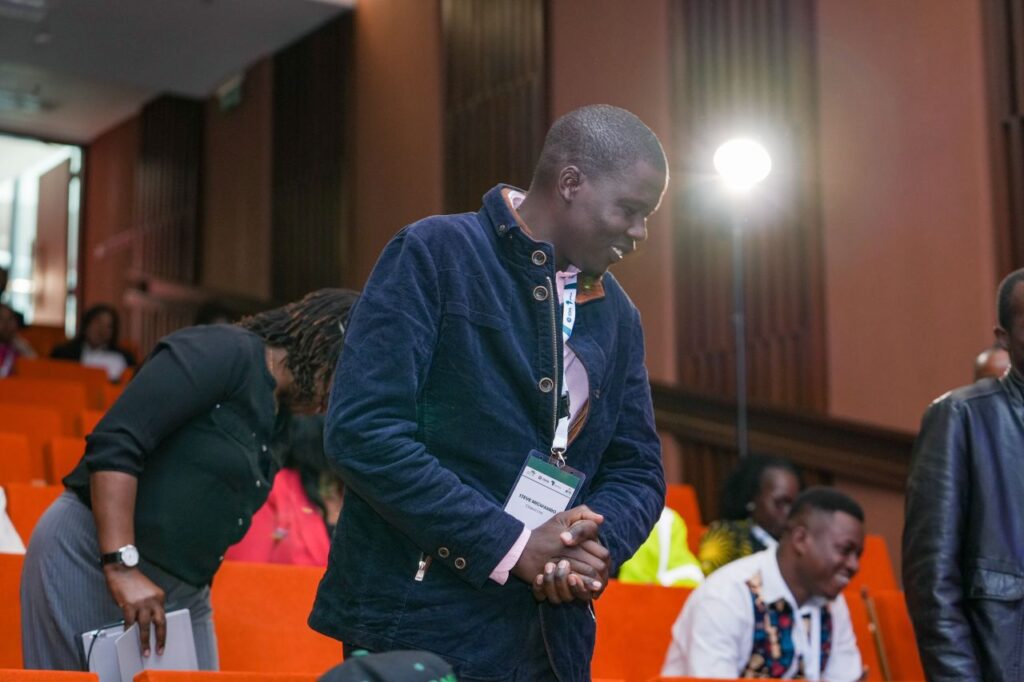
Steve Migwambo representing Chanzi and the youth sector at AWWS III. Photo Credits: TakaTaka ni Mali
Samuel Thuo noted that it was at a previous edition of this very summit that he first met the collaborators whose partnership helped give rise to the East Africa Alternative Fibres Forum. The connections made at AWWS III are likely to echo well beyond the event itself.
What this means for SMEP and the sector
The participation of SMEP grantees at AWWS III underscored both the quality and relevance of the work being supported through the programme. Across very different sectors – leather, organic waste, banana fibre, and industrial cleaner production – SMEP grantees are tackling some of the same systemic challenges that the broader summit identified: the finance gap for smaller operators, the need to shift from pilots to commercial scale, the importance of policy engagement, and the opportunity to connect waste streams to wider circular economy and bioeconomy systems.
Several themes from grantee feedback are worth highlighting for the programme’s legacy and future planning. First, agro-waste remains a relatively underrepresented category in African waste-to-wealth discourse, and SMEP grantees played a meaningful role at AWWS III in broadening that conversation. Second, the summit confirmed that industrial symbiosis and preventive approaches to waste – as opposed to end-of-pipe management – represent a genuine paradigm shift that African practitioners and policymakers are ready to engage with. Third, the networking value of convening spaces like AWWS cannot be overstated: multiple concrete collaborations and follow-up engagements emerged directly from grantees’ attendance.
Looking ahead, grantees expressed an interest in a dedicated knowledge exchange session to document lessons learned across the programme and ensure they inform future programming and policy – a suggestion the SMEP team is actively exploring.
The third Africa Waste is Wealth Summit confirmed what SMEP’s grantees are demonstrating on the ground every day: that Africa’s waste challenge is also Africa’s circular economy opportunity – and that the innovators, entrepreneurs, and institutions leading this transition are already at work.
You can watch the full three-day summit through the YouTube links below.
Staci Warrington
SMEP PMA Junior Project Manager
With special thanks to the SMEP grantees who participated in this event for their insightful feedback and dedication to finding solutions.