"Anything that is possible in the world, is also possible here, in Bangladesh."
Aniruddha Kumar Roy, Managing Director of Leather Industries of Bangladesh Limited
An enthusiastic footwear factory owner summed up the spirit and overarching message of a recent SMEP trip to Bangladesh. His confidence was palpable, reflecting not only his personal ambition and drive, but it also spoke to the wider attitude of an industrious and resilient nation proud to declare:Made in Bangladesh.
This trip took place in November 2025, when a SMEP & UNCTAD delegation travelled to Bangladesh to engage directly with projects and partners on the ground. As it markedthe first occasion on which SMEP representatives visitedall six SMEP-funded projects in the country, the visit was designed with multiple objectives in mind.Its primary focuscentred aroundon-the-groundsite visits and engagement with project teams working across the textiles, tanneries and the lead acid batteries sectors.Alongside these site visits, the delegation also participated in key stakeholder events, which created the space for the SMEP and UNCTAD teams to meet with Ministries and government agencies to discuss and explore opportunities for further collaboration.
A manufacturing powerhouse
Bangladesh’s importance as a global manufacturing powerhouse, as implied by the tagline Made in Bangladesh, was evident throughout the visit. In and around, Dhaka, the country’s bustling capital, one was struck not only by the sheer energy of one of the world’s most densely populated cities but also by its trade-orientated streetscapes, where trade, production and livelihoods meet at every corner. It spoke to an economy in motion, yet, it was also a stark reminder of how dependent the population is on making and selling products.
Manufactured goods, made in Bangladesh, account for approximately 90-92% of Bangladesh’s total exports, with the textiles and garment industry contributing over four-fifths of export earnings. As the country prepares to graduate from Least Developed Country status this year, this export profile highlights both Bangladesh’s industrial strength and its vulnerability as the country needs to transition away from a reliance on preferential market access. To remain competitive on the global stage, it is thus crucial that manufacturers, especially small and medium-sized enterprises, are equipped with the knowledge and tools needed to navigate evolving international regulations governing the environmental and social impacts of manufacturing processes, as well as changing consumer expectations surrounding the products ultimately places on store shelves.
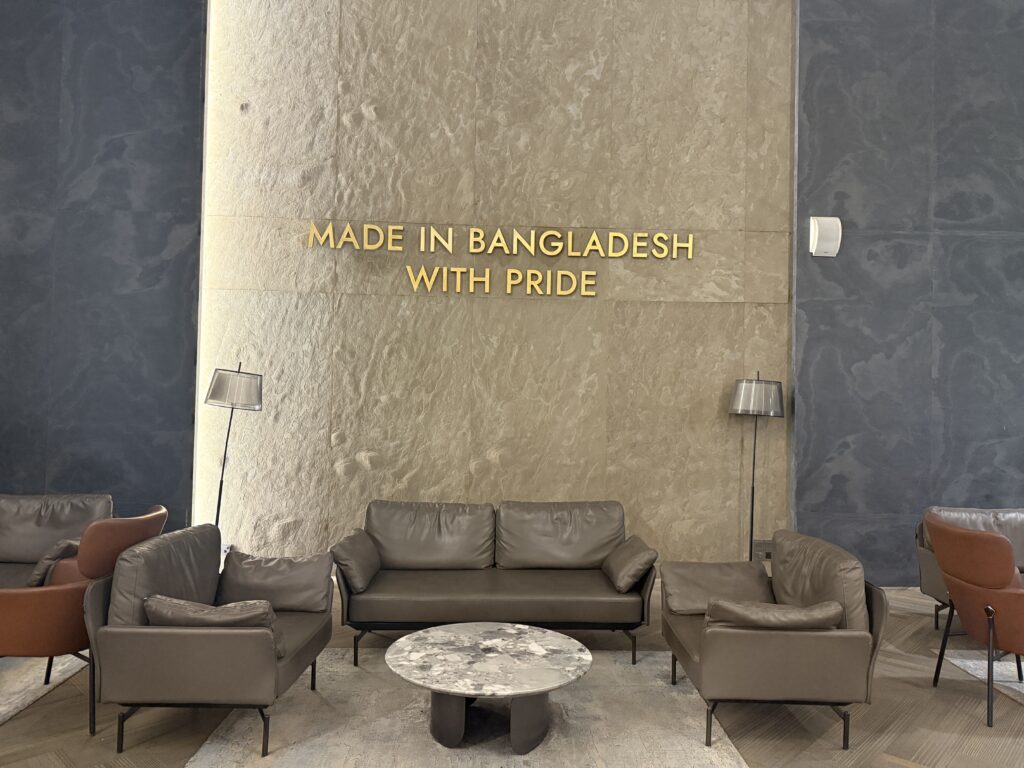
"Made in Bangladesh" showcased in the lobby of the Bangladesh Garment Manufacturers and Exporters Associations' offices
Women workers at a leather goods factory in Dhaka
It is against this backdrop that the six SMEP interventions are particularly significant and timely. Working across these key economic sectors (textiles, tanneries and batteries) the interventions target the most pressing environmental and social challenges facing these industries:
excessive water consumption, inadequately treated wastewater and wasteful practices in textile production;
the environmental and social impacts associated with conventional tannery processes, and
the serious environmental and human health risks linked to pervasive informal lead recycling practices within the batteries value chain.
You can find a snapshot of SMEP’s Bangladesh projects here: factsheet.
On the ground: SMEP projects visited
Textiles sector
Few sectors capture the scale and intensity of industrial activity in Bangladesh as clearly as the textiles and apparel sector. According to Invest Bangladesh, the country’s more than 1,400 textile mills and around 240 dyeing, printing and finishing facilities are the proverbial engine of the world’s second-largest apparel exporter. At the same time, textiles remain central to livelihoods, employing over four million people, most of them women. This scale of production is however taking its toll on the environment and natural resources as the sector accounts for over 8% of national electricity consumption and contributes an estimated 12–15% of national greenhouse gas emissions. The textiles sector also relies on vast volumes of water annually (~10% of the national footprint) while generating hundreds of millions of cubic metres of wastewater (that often goes untreated/is inadequately treated) which pollutes receiving waterways.
When glancing at a map, Bangladesh appears to be water-secure judging from the many river deltas and substantial surface and groundwater reserves. Water has longed shaped Bangladesh’ development (rivers as transport and trade routes) while also holding deep cultural significance, reflected in the tradition of often bestowing female names to rivers – a symbol of their role as nurturers. Yet, recent studies show that an estimated 68 million people lack reliable access to safe water, and that groundwater levels, upon which industries rely for freshwater extraction, are rapidly declining.
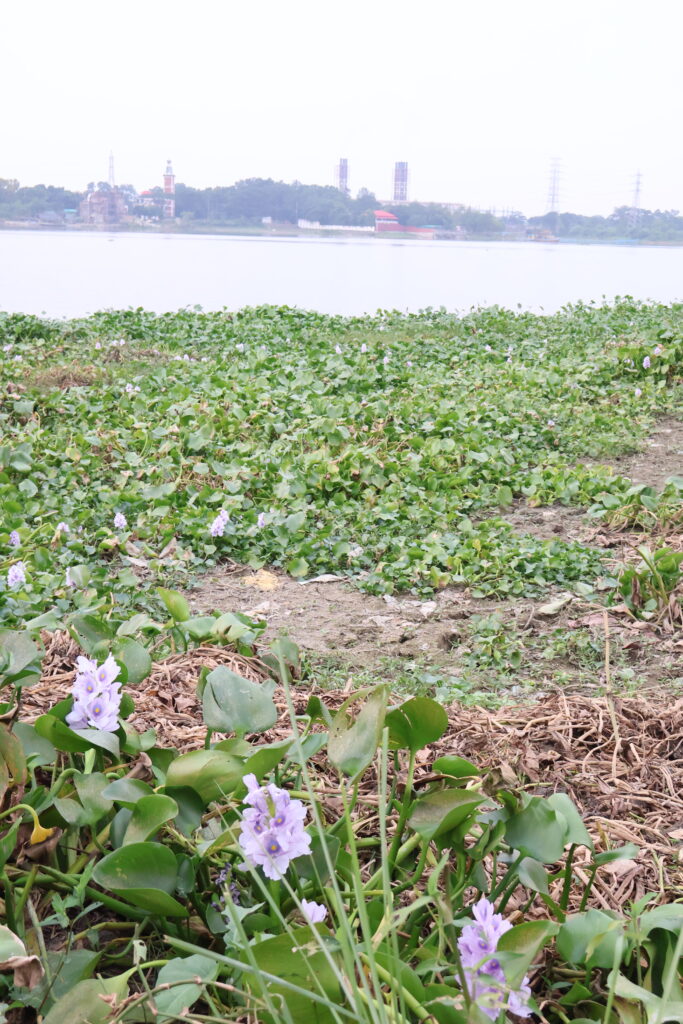
Water hyacinth is prolific in some waterways, pointing to poor river health
Textiles and water
Within this context, SMEP funded two advanced wastewater treatment pilots in the textile industry in Bangladesh: The Textile Wastewater Management Project (co-led by Panta Rei Water Solutions and Primark) and the Textiles Wastewater Recycling Project (led by Solidaridad Network Asia). The pilot projects share a common objective –to demonstrate, under real‑world conditions, that advanced wastewater treatment, beyond conventional effluent treatment plant approaches, can make commercial sense.
By enabling water recovery at a rate and quality suitable for reuse in factory processes, the pilots show how improved treatment can not only reduce downstream pollution and the reliance on freshwater abstraction, but also lower the energy and chemical inputs required to treat extracted groundwater before use.The two pilots showcasealignment withinternational best practice, demonstrating compliance with Zero Discharge of Hazardous Chemicals (ZDHC) standards while also aspiring to Zero Liquid Discharge (ZLD).The pilots differed slightly in their design and pathways for potential uptake.
Textile Wastewater Management project: This project supported the installation of ultrafiltration and reverse‑osmosis systems by Panta Rei Water Solutions, at Fakir Knitwears, one of Dhaka’s largest textile manufacturers. The company co‑invested 50% of the capital costs, with two of its long‑standing buyers, Primark and H&M, playing a key role in project implementation. The system’s strong performance has since seen Primark adopt the installation as a case study, with the aim to demonstrate the efficacy of the technology to more than 300 suppliers in Bangladesh and show how compliance with local and international environmental standards can also translate into a compelling business case. The project proved that investment in advanced water‑treatment technologies can be commercially viable in this context.
The project has since gained international recognition, with the World Bank’s 2030 Water Resources Group identifying the model as a best‑practice example for Bangladesh’s textile sector. Building on this success, plans are now underway to replicate the approach across 10 to 15 factories within a green industrial cluster in Gazipur, Bangladesh.
SMEP-UNCTAD research indicates that if such systems were scaled to reach just 25% of Bangladesh’s textile sector, they could avoid up to 2.6 million tonnes of CO₂e emissions each year, contributing an estimated 4-7% of the country’s 2030 climate targets.
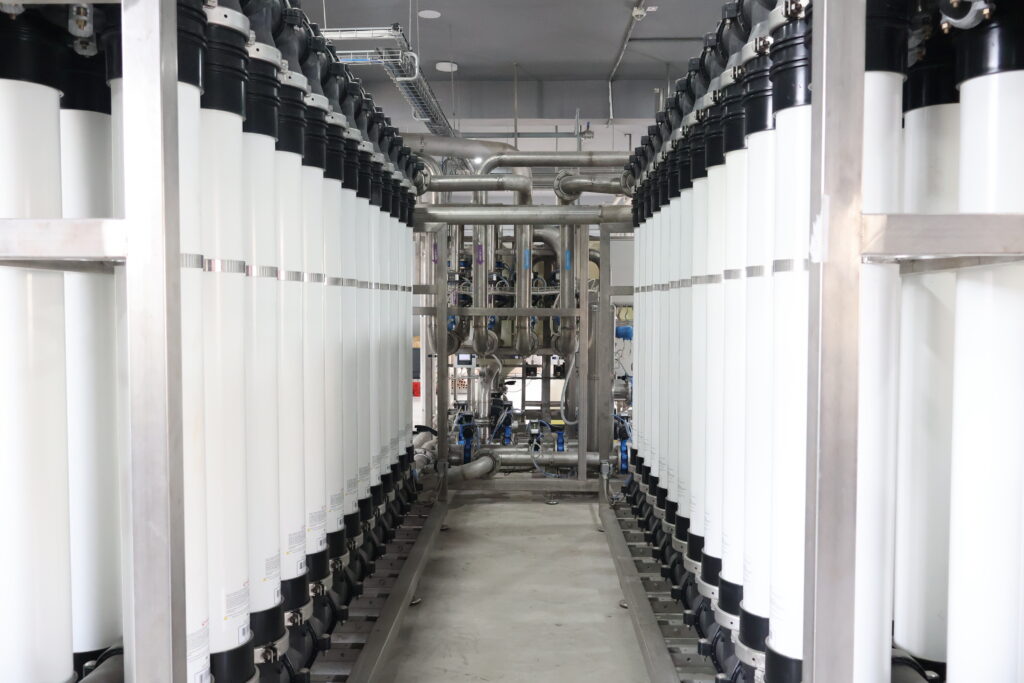
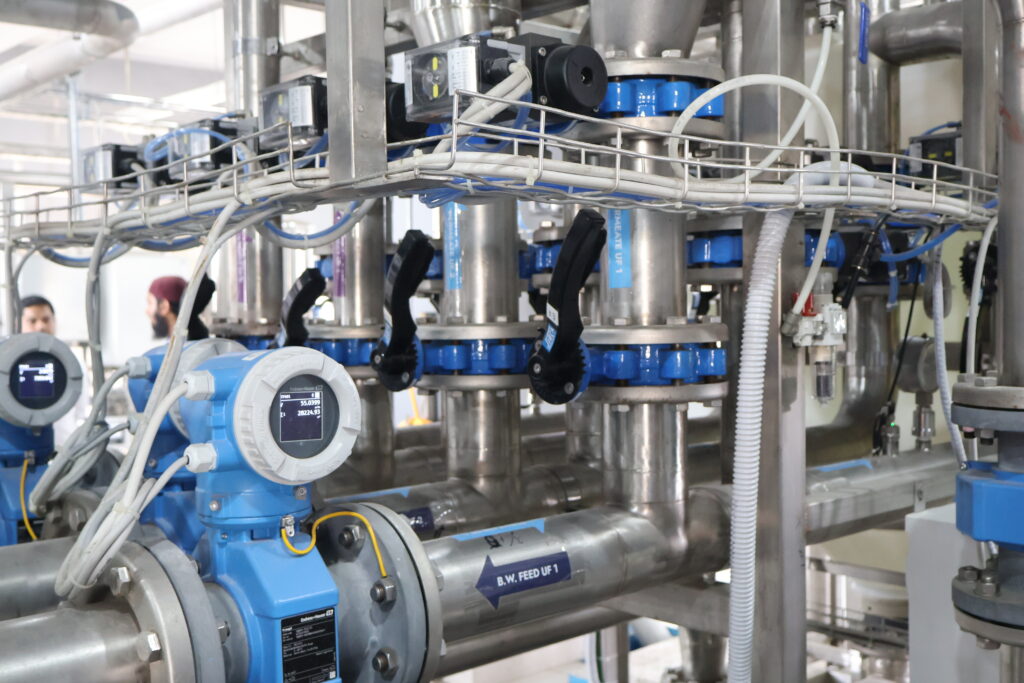
The water treatment facility at Fakir Knitwears
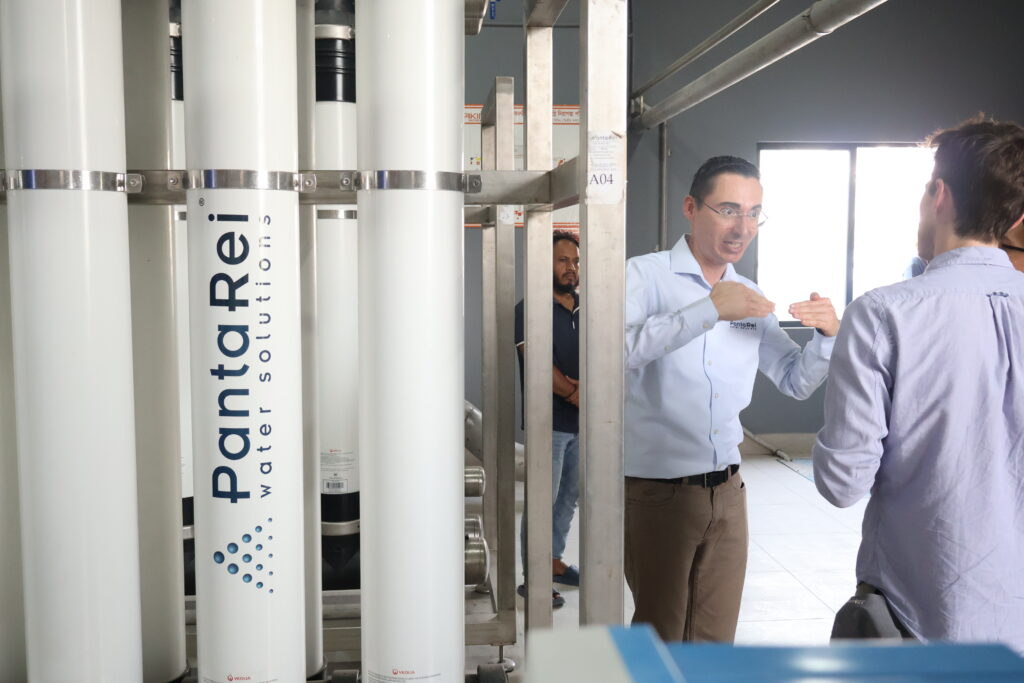
Manuel Romero from Panta Rei Water Solutions explaining the water treatment installation at Fakir Knitwears to the SMEP and UNCTAD team
The advanced wastewater treatment installation at Fakir Knitwears
The Textiles Wastewater Recycling Project took a slightly different approach in fabricating a modular system with a three-stage approach: i) ultrafiltration, ii) dual reverse osmosis, and iii) advanced oxidation processes to treat and recycle water. At this pilot-scale (5 m3 per hour capacity), the technology has proven its efficacy and is capable of recycling up to 85% of textile wastewater at a vertically integrated textiles mill in Dhaka, Zaber & Zubair Fabrics Ltd. The team has developed tailored solutions for three distinct textile segments: neat and open dyeing factories (the most challenging), denim washing facilities, and sweater washing operations.
The project demonstrates that compliance with both local discharge regulations and international standards such as ZDHC is achievable, while also highlighting that costs vary significantly across textile subsectors due to differences in wastewater composition. While full ZLD remains technically possible, it is currently expensive under conventional, energy intensive systems. In response the project team is also proposing a financing mechanism – a model based on the carbon credit concept, but for water. This concept will be developed further in more detail in the future, and the modular unit remains in Bangladesh for interested parties to pilot at key facilities.
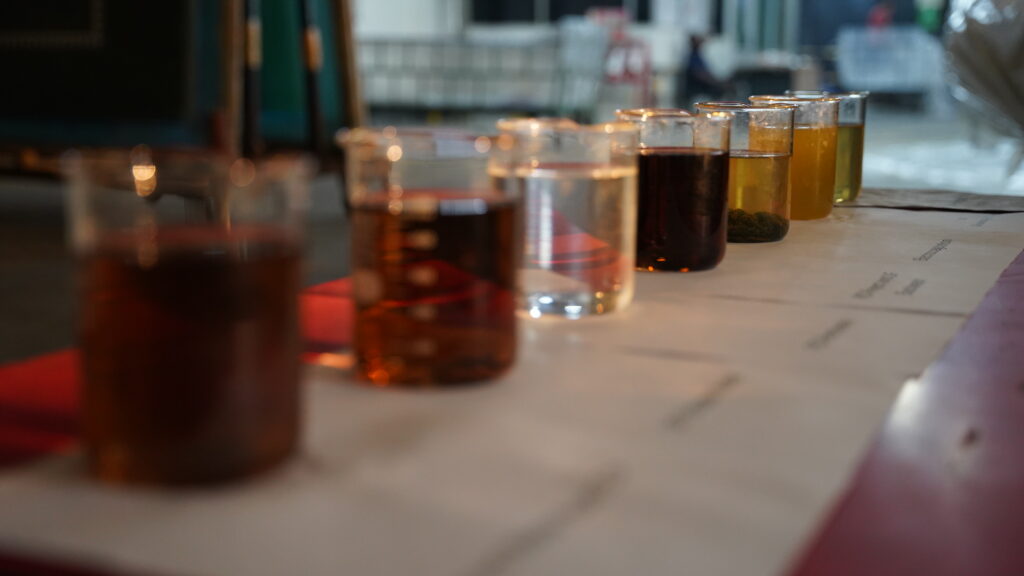
Water samples taken from different stages in the treatment process in front of RO container
Water quality test results after the advanced treatment by the Textiles Wastewater Recycling project's ZLD installation
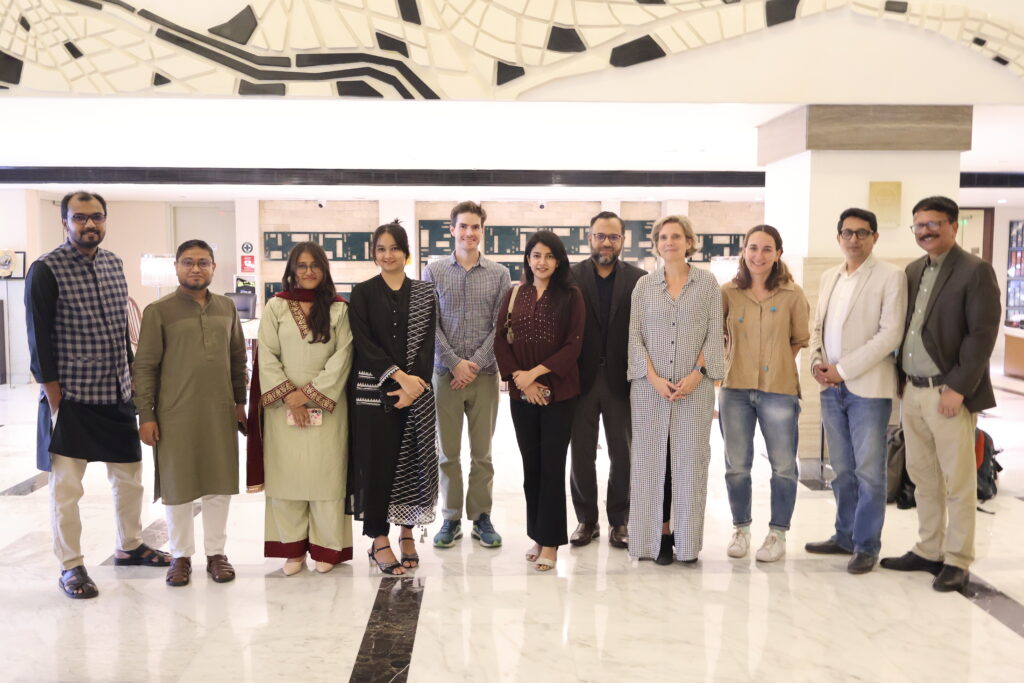
The SMEP delegation with the Textile Wastewater Recycling project team from Solidaridad Network Asia
Textile waste
Beyond water and wastewater, another less visible challenge is prevalent in the Bangladesh’s textile sector: vast volumes of post‑industrial waste generated along the production chain – the so-called jhut sector. The scale of the problem (or opportunity) is estimated to be between 330,000 to 500,000 tonnes of post‑industrial textile waste per year in Bangladesh. Much of this material is either stockpiled, down‑cycled, landfilled or exported with little value added. In a global industry increasingly encouraging circularity and material traceability, many regard this as a lost opportunity, with GIZ estimating a loss of US$ 4-5 bn per year in potential export earnings.
With SMEP support, Reverse Resources is scaling a digital traceability solution in Bangladesh that addresses this challenge by linking post‑industrial textile waste to textile‑to‑textile recyclers, helping to unlock demand for circular production. As global brands increasingly push for more sustainable products, the platform plays a critical role in connecting waste handlers, recyclers and manufacturers in one of the world’s largest garment‑producing countries.
Whilst in the country, the SMEP delegation met with their country manager, Rizvan Hasan, to discuss progress and ongoing challenges around data access, and verification and regulatory barriers. Still, this digital solution and its uptake in the sector points to a growing momentum for circular solutions in Bangladesh. We visited a pioneering textile-to-textile company, CYCLO® Recycled Fibers, to further understand how traceability can enable viable recycling at scale, even as innovators remain ahead of regulation.
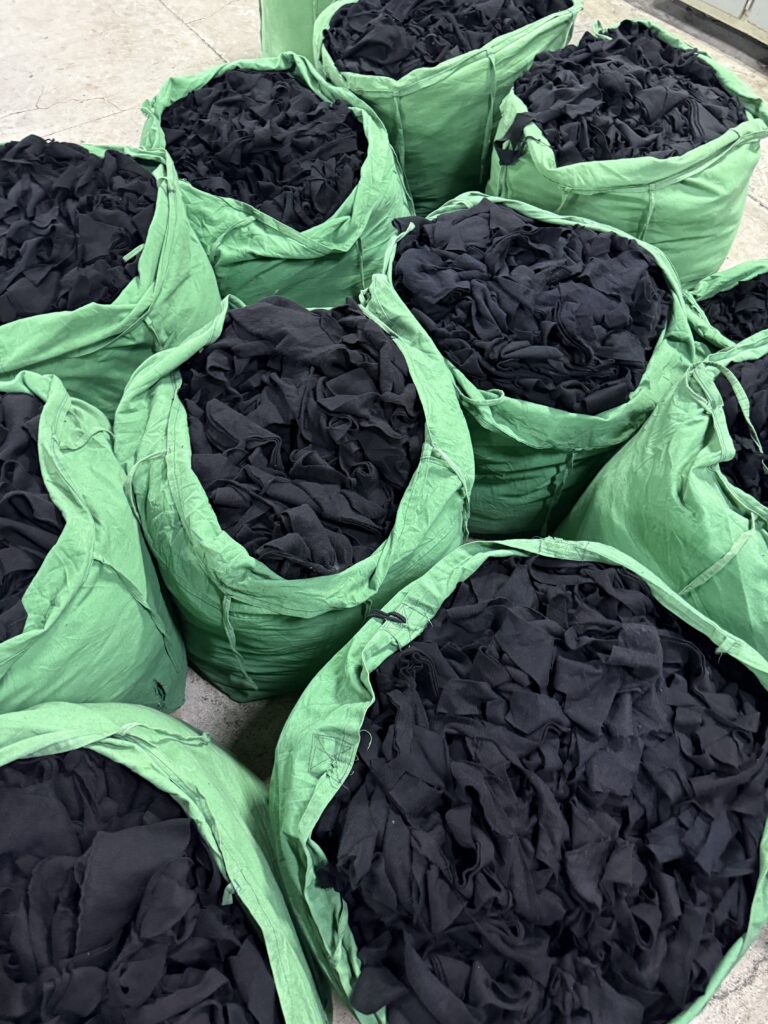
Post industrial textile waste (off cuts) ready to be traced by the Reverse Resouces platform to match with a textile-to-textile recycling facility
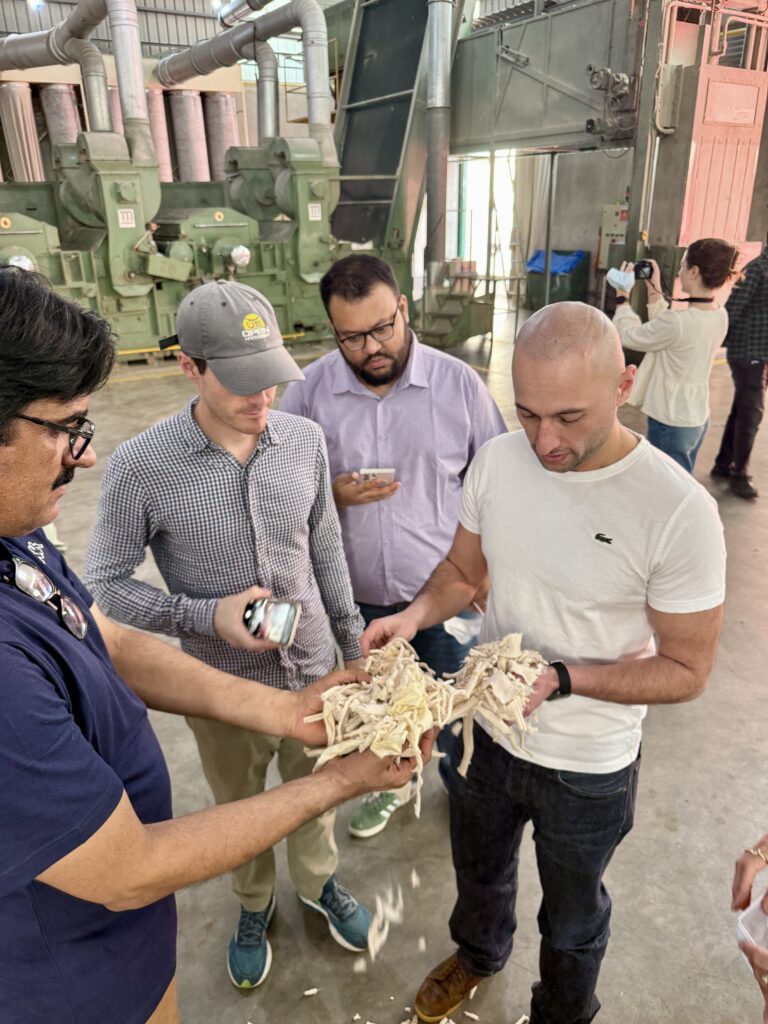
The owner of Cyclo explaining the process of textile-to-textile recycling to the project and SMEP-UNCTAD teams
Textile-to-textile recycling at the CYCLO facility in Dhaka where recycled fibre is being re-spun into yarn
Tanneries sector
Bangladesh’s tannery sector is a long‑established contributor to exports and employment, supplying leather and leather goods to global markets. For decades, leather processing was concentrated in the Hazaribagh area of Dhaka, where the density and intensity of this industrial activity posed ongoing challenges for managing waste and wastewater in an urban environment. In response to mounting environmental and public health concerns, the government initiated the relocation of tanneries to a purpose‑built industrial estate in Savar, with the aim to modernise production and centralise waste and wastewater treatment for this sector.
While the relocation marked an important milestone, challenges remain within the Savar Tannery Estate, particularly related to the design and current performance of the common effluent treatment plant (CETP). Although plans are underway to upgrade the facility, the limitations of the existing system mean that many tanneries currently face constraints in meeting international standards (which increasingly demand environmental performance, traceability and social safeguards), including those set by bodies such as the Leather Working Group (LWG), which in turn affects their access to higher‑value markets.
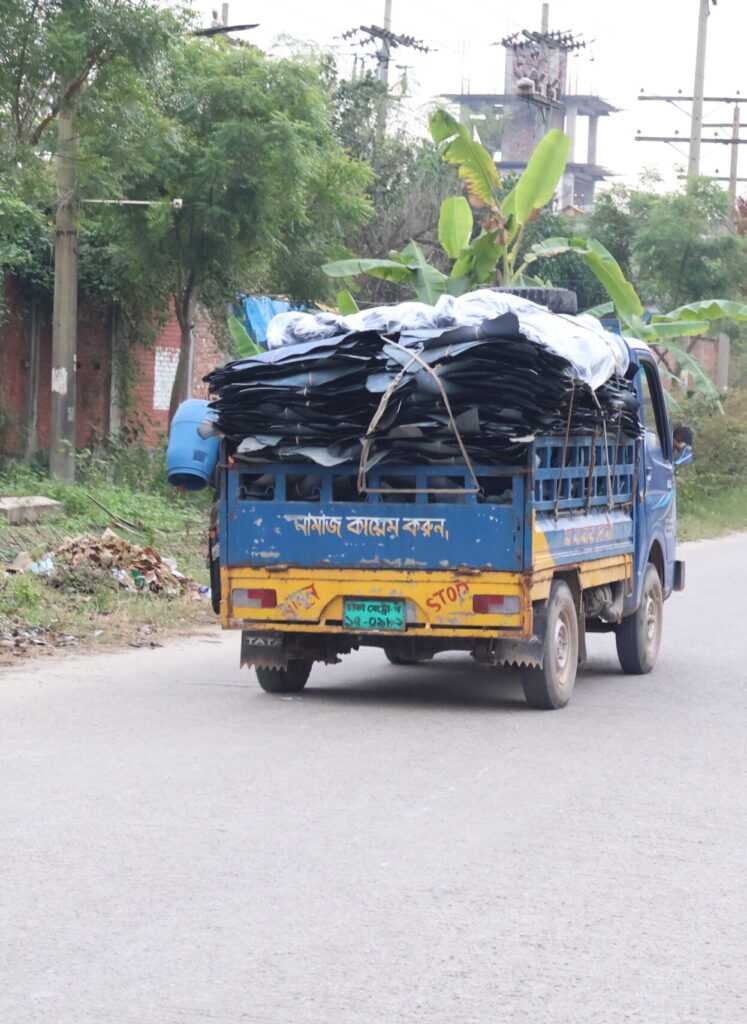
Truck transporting finished leather from the Savar Tannery Estate
The visit highlighted how closely environmental and social compliance are intertwined in Bangladesh’s leather sector, particularly as new EU regulations such as the Corporate Sustainability Due Diligence Directive (CSDDD) and the EU Deforestation Regulation (EUDR) begin to reshape global supply chains. As one tannery representative put it: “No compliance, no business.”
It is in this evolving regulatory and market landscape that SMEP is funding two targeted projects in the tanneries sector, helping producers prepare for the standards and expectations that will shape future access to international markets.
The Savar Tanneries Project led by the Ethical Trading Initiative Bangladesh, together with the Bangladesh Labour Foundation and Mondiaal FNV, is working with 40 tanneries in the Savar Tannery Estate to strengthen the foundations of compliance. Rather than focusing solely on certification, the project addresses the underlying social and environmental conditions required to meet international standards, from worker representation and occupational safety to cleaner production practices.
During our recent visit, the SMEP-UNCTAD team witnessed first-hand just how important this foundational step is having:
Attended a dynamic multi-stakeholder dialogue that brought together tannery owners, industry associations, government representatives, financial institutions, NGOs, unions, and others. The conversation reflected both the industry’s frustrations with systemic challenges and its deep pride and hope for future opportunity. The team launched their published Human Rights and Environmental Due Diligence (HREDD) guidance for the leather supply chain, developed in consultation with brands, unions and industry experts at this event.
Completed a tour of the Savar Tannery Estate which offered a close view of how the project is embedding social and environmental practices from the ground up – through establishing worker committees, appointing climate champions, and promoting cleaner, safer production.
Engaged first-hand with the Tanners Workers Union to understand the challenges of amplifying worker voices and rights in the estate.
Attended a training-of-trainers session which demonstrated how capacity-building is being cascaded throughout tannery staff.
As a result of this project, participating tanneries now have a clearer understanding of their compliance gaps, environmental impacts and workforce needs, laying the groundwork for a more resilient, responsible and competitive leather sector.
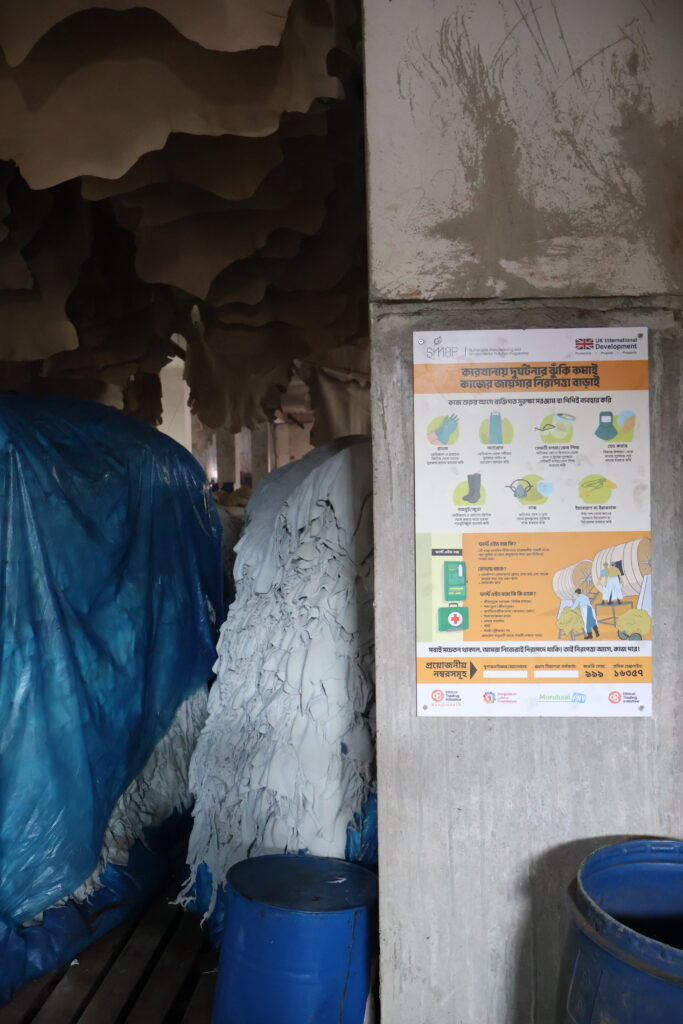
As part of the Savar Tanneries Project, signage was placed through participating tanneries where information on environmental and social safeguards could be easily accessed by tannery workers
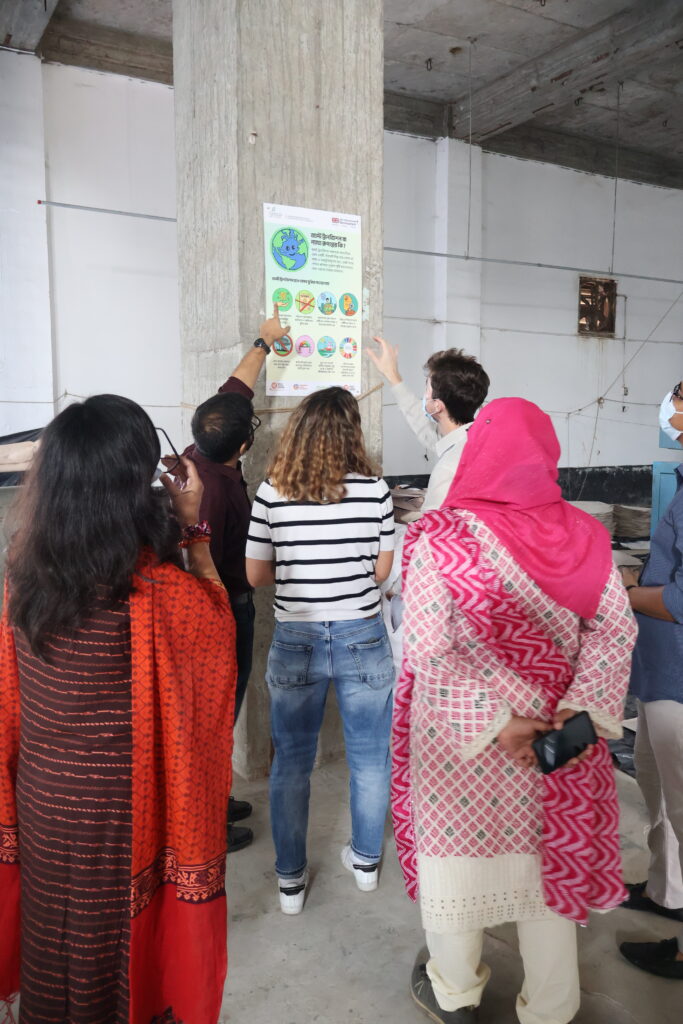
The SMEP-UNCTAD and ETI project teams engaging with one of the signs in the tannery
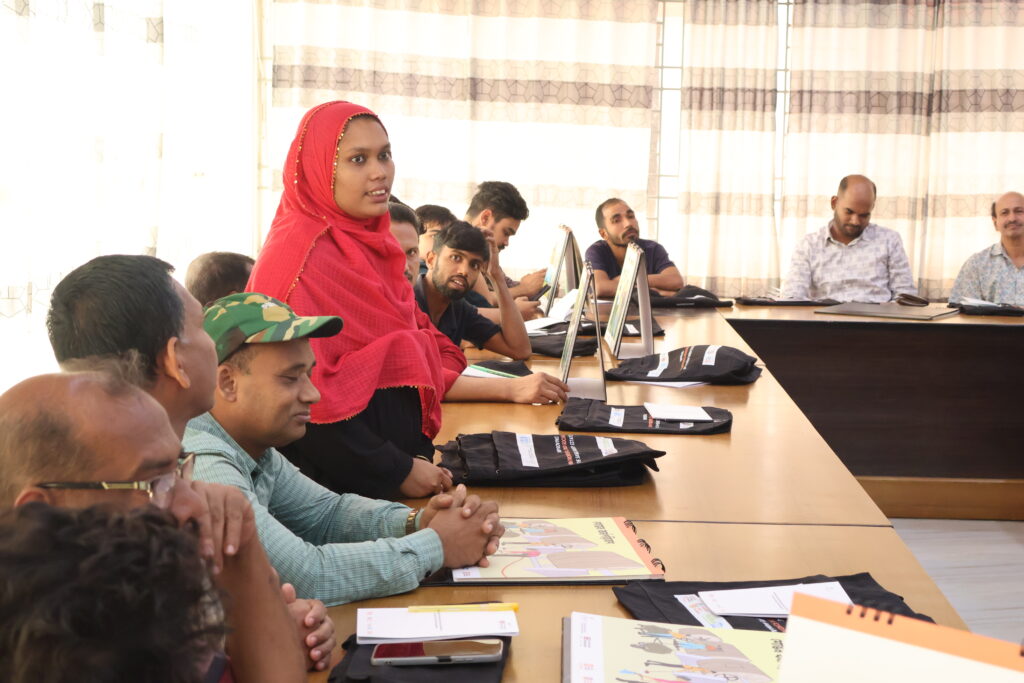
Participants at the Training of Trainers sessions elaborating on the benefits of the training
We also had the opportunity to meet the multi‑partner team behind the SMEP‑funded LeatherTrace Project, including representatives from Idea Tree and SERA Bangladesh. The project focuses on strengthening sector readiness in response to evolving regulatory requirements, particularly the EUDR, through a digital traceability pilot that tracks leather products from raw hide through to the finished good.
This intervention was brought to life by through site visits to two tanneries within the Savar Tannery Estate participating in the LeatherTrace traceability pilot. At Mitali Tannery Limited, the team was shown a range of finished leather goods, including packaged products prepared for export to Italy, building on existing shipments to markets such as Japan and Mexico.
A visit to Samina Tannery (Pvt) Limited, a large‑scale exporter to Spain, provided further insight into the realities facing the sector, with Executive Director Md.RashidAlMahmud outlining both the challenges and opportunities as tanneries prepare for forthcoming policy and regulatory requirements. Together, these visits offered valuable, first‑hand insight into how traceability is being embedded at factory level and how producers are positioning themselves to meet evolving international expectations.
Beyond developing a practical tool to support individual producers, the LeatherTrace project is also intended to inform policy and regulatory discussions on traceability in Bangladesh’s leather sector. Drawing on insights from piloting the initiative, consultations with key stakeholders and a comprehensive policy assessment, the project team is well positioned to develop a policy blueprint for mainstreaming traceability across relevant national legislative frameworks. This blueprint will be validated through targeted stakeholder workshops in the coming months.
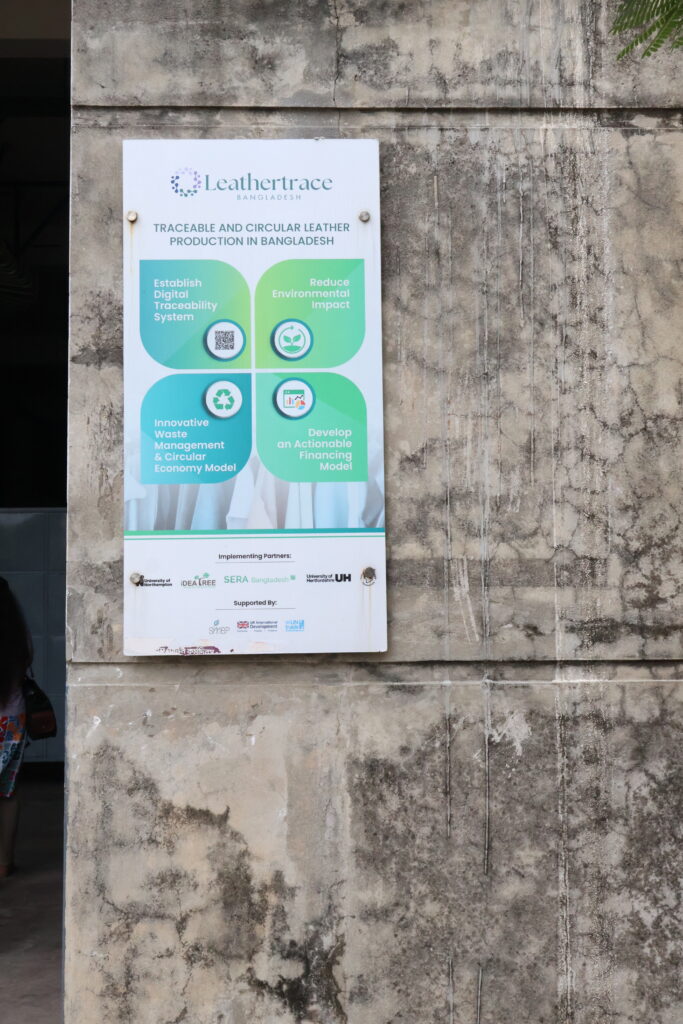
Signage showcasing the tannery as a participant in the LeatherTrace project
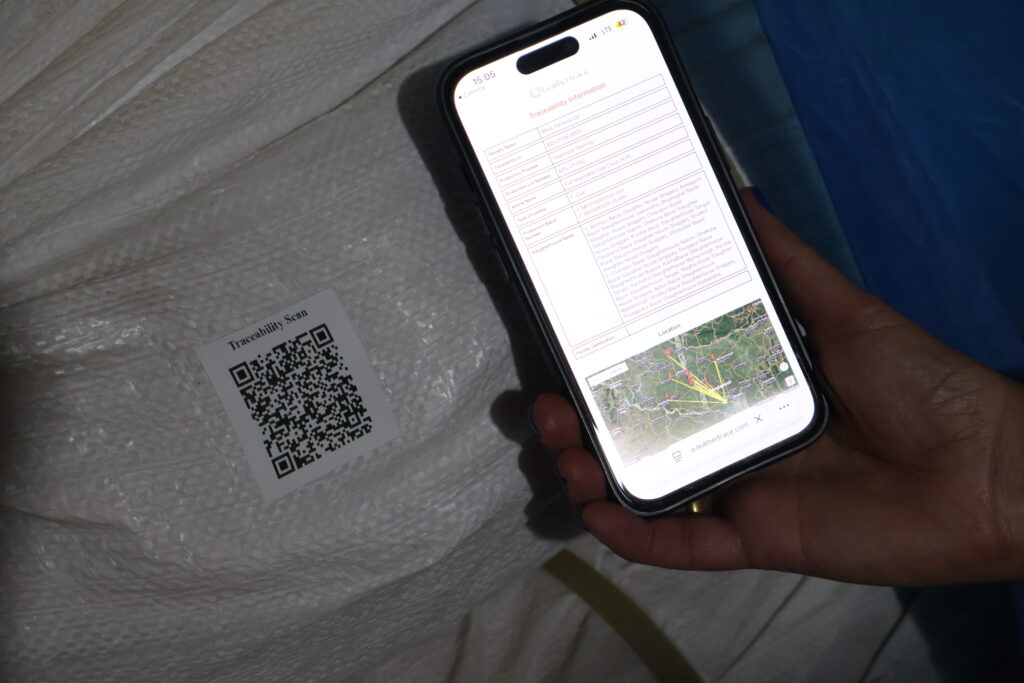
The LeatherTrace traceability app in action, showing information related to the finished leather packaged and ready for export
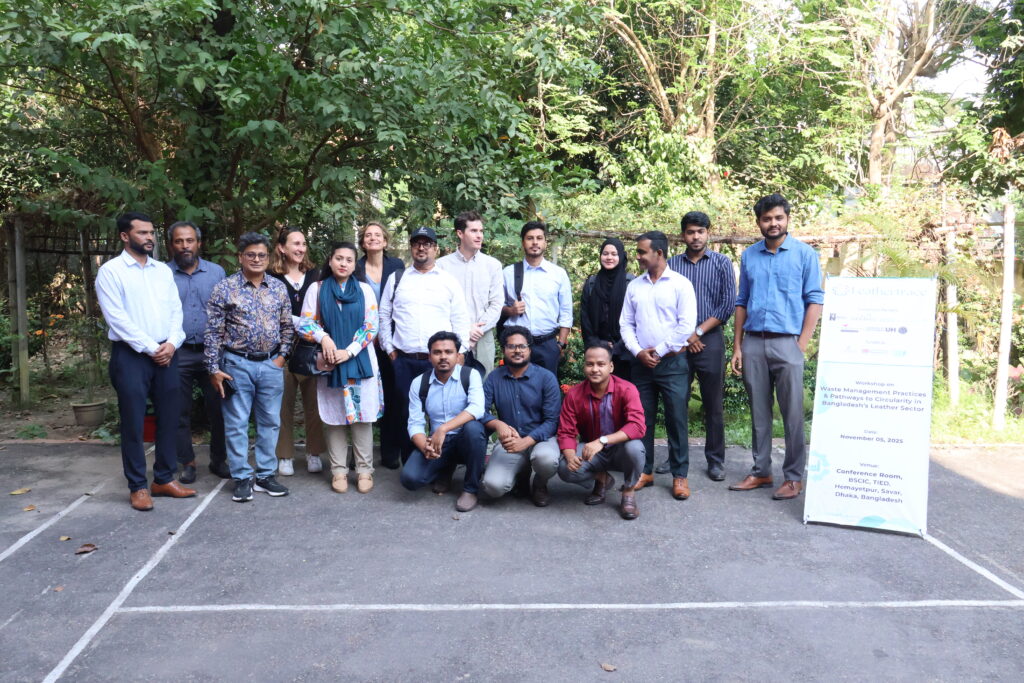
The SMEP-UNCTAD and LeatherTrace project team following a key stakeholder engagement event at the Savar Tannery Estate
Looking ahead, the Ministry of Commerce has requested UNCTAD support, through the SMEP Programme, to develop a set of actionable policy recommendations for Bangladesh’s tannery sector. This work will build on evidence and lessons generated LeatherTrace and the Ethical Trading Initiative — alongside other relevant inputs. Crucially, the process is expected to strengthen coordination between the Ministry of Commerce and the Ministry of Environment, Forest and Climate Change, helping to shape a future‑focused sector roadmap that embeds environmental compliance, traceability, human rights and trade considerations at its core.
Lead acid batteries sector
It was impossible to spend time in Dhaka without noticing just how ubiquitous electric three‑wheelers (rickshaws) have become in the city. While these rickshaws play a vital role in providing affordable transport and livelihoods in Bangladesh, their rapid growth has also led to a rise in demand for lead‑acid batteries. With it, unfortunately, the practice of recycling the lead from the batteries informally, has led to a significant environmental and health concern. As highlighted by Pure Earth’s work, these informal practices release toxic lead into surrounding air, soil and water, exposing workers, nearby communities and especially children to severe health risks.
SMEP is funding a research-focused intervention that responds to this challenge by identifying the economic and structural drivers behind this informality, and seeks to develop business models that makes used lead acid batteries into safer, formal recycling systems that can support the expansion of e‑mobility without compromising human health or the environment. The project team, Georgetown University and Pure Earth, are working towards incorporating the market research and 8-Point Policy Recommendations into the upcoming national lead strategy for Bangladesh, regularly meeting with Bangladesh Environmental Ministry and Department of Environment.
The visit to Dhaka helped strengthen existing relationships with the Pure Earth team and provided an opportunity to engage the Ministry of Environment in discussions on the importance of nationwide interventions to address lead poisoning.
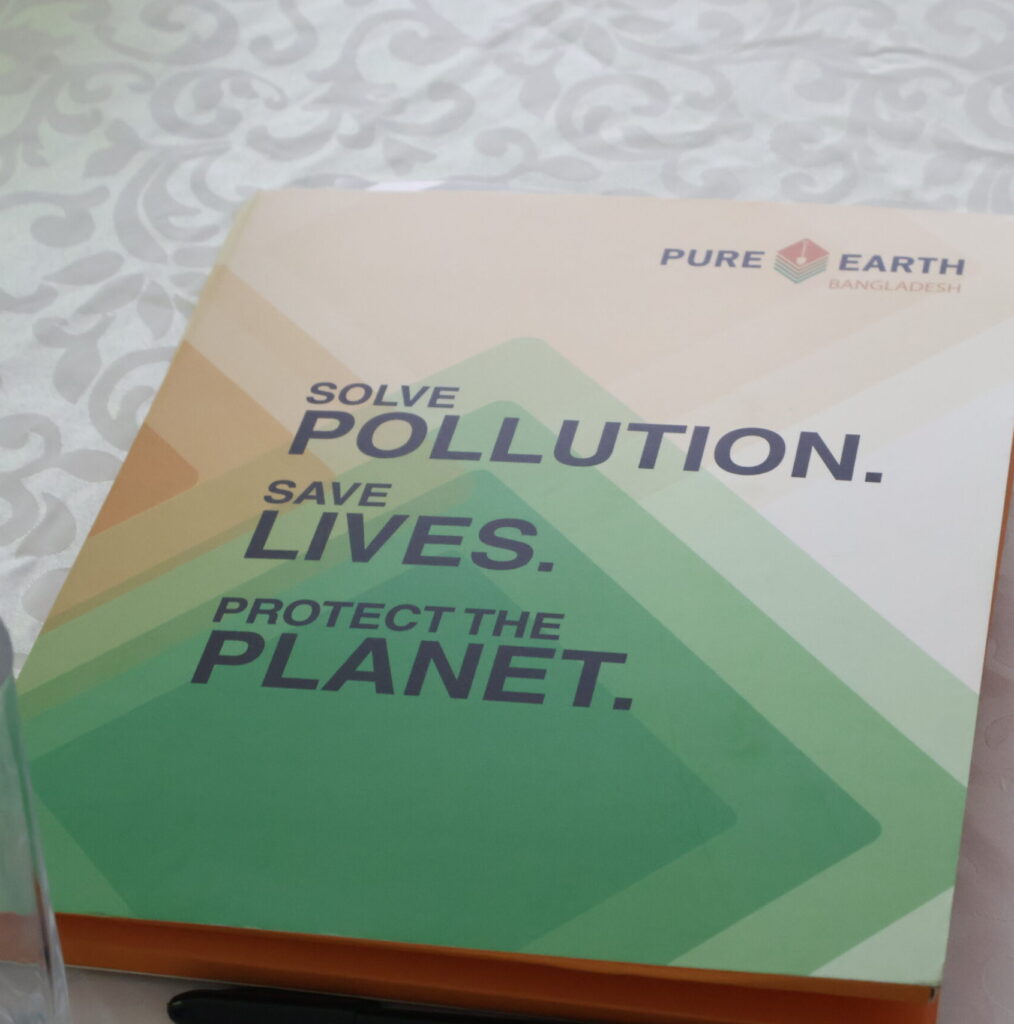
Meeting with Pure Earth to discuss their research into used lead acid batteries
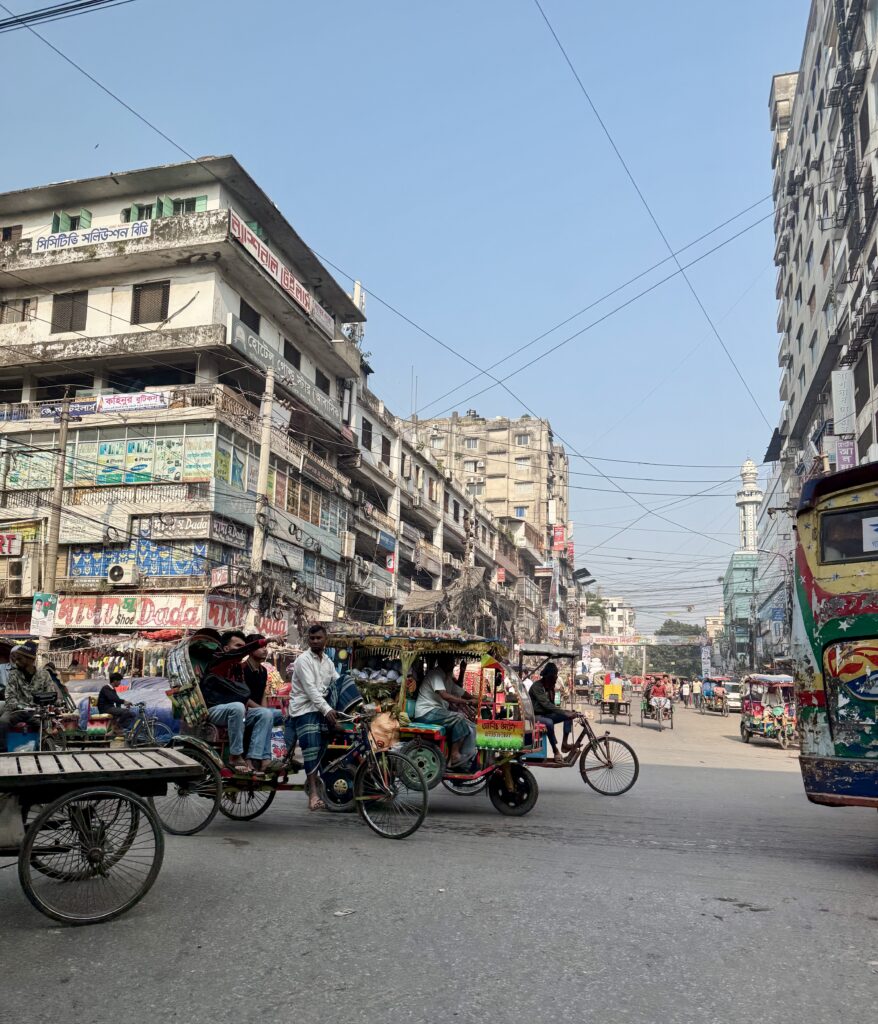
Dhaka streetscapes where rickshaws are a prominent mode of transport
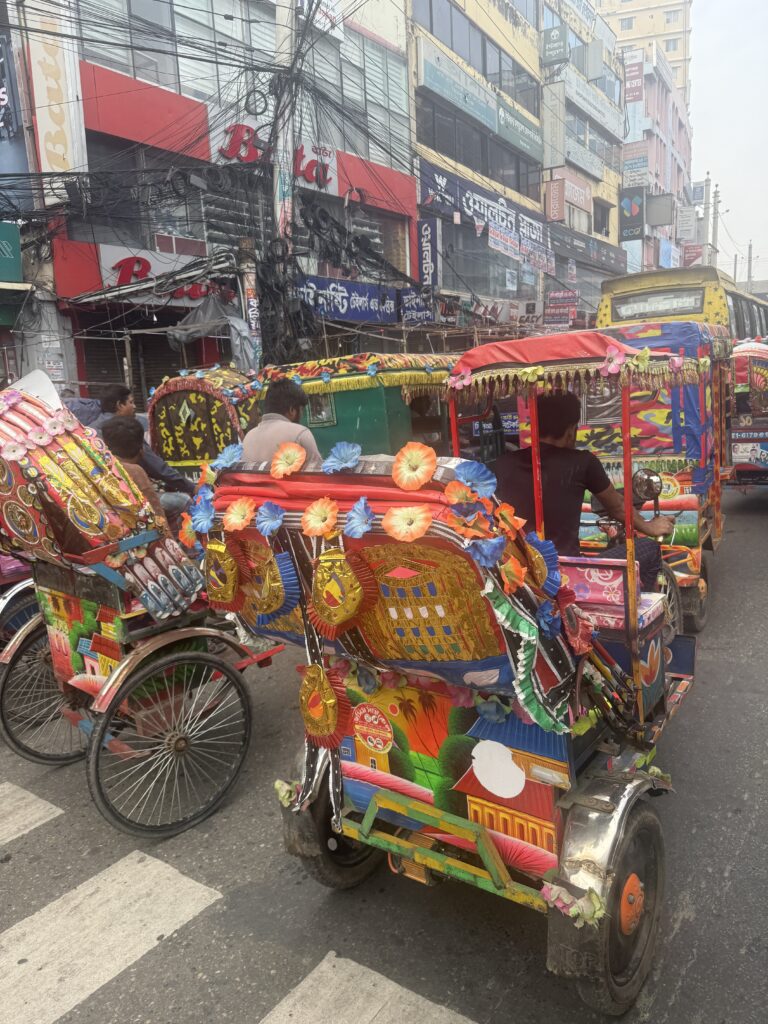
Rickshaws are often beautifully decorated, but the batteries that power them have a different story
Forging partnerships for a brighter future
Beyond site visits, the trip created space for substantive engagement with implementing partners, government ministries, local authorities and private‑sector actors including the Ministry of Environment, Fisheries and Climate Change (MoEFCC), Ministry of Commerce, Water Resources Group (under the World Bank), Bangladesh Ready-Made Garments Exporters Association, Bangladesh Tanneries Association and the Bangladesh Labour Association.
Importantly, these exchanges have already resulted in follow‑up coordination between SMEP, UNCTAD and national counterparts to advance joint work on cleaner production and regulatory alignment in these sectors. Watch this space for key updates and outcomes from these.
What stayed with us most from the visit was the friendliness of the people, bright beautiful bustling Dhaka, the rich cultural heritage and the delicious food. But also, just how tightly woven the informal and formal economies are, and how regulation now sits at the heart of that relationship. Across factories, workshops and meetings, there was a palpable pride in what people produce and the markets they reach, alongside an honest recognition of the challenges ahead.
We have renewed respect for these industries and the people behind them.
Elzette Henshilwood
SMEP Portfolio Manager for Textiles and Tanneries Projects