Sustainable Manufacturing and Environmental Pollution Programme

GESI

Beyond Recycling: How GIVO is building a more inclusive circular economy in West Africa

Community trust, inclusive design, and women’s leadership are turning recycling into a fairer green economy. In many West African cities, plastic waste is both an environmental crisis and a missed economic opportunity. Informal waste systems often mean unsafe working conditions, limited job security, and few meaningful opportunities for women and young people. GIVO (Garbage In, […]

Beyond Recycling: How GIVO is building a more inclusive circular economy in West Africa Read More »
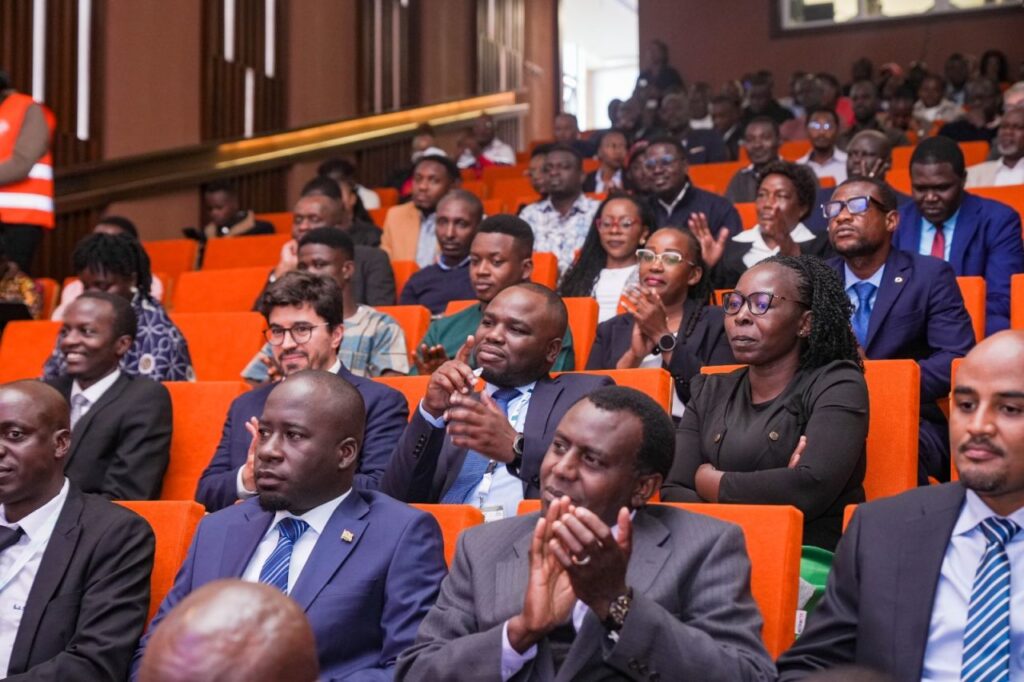
SMEP grantees make their mark at the 3rd Africa Waste is Wealth Summit

The third edition of the Africa Waste is Wealth Summit (AWWS III), held in June 2026, brought together a broad cross-section of stakeholders from across Africa – government agencies, private sector actors, UN bodies, financiers, researchers, and innovators – united by a common agenda: transforming waste from a problem into an economic and environmental opportunity.

SMEP grantees make their mark at the 3rd Africa Waste is Wealth Summit Read More »

From climate ambition to decent work: what just transition means in practice

Climate action is accelerating. Governments, businesses and investors are looking to circular economy models, cleaner production and green industries as part of the transition to a more sustainable future. But what kind of work is being created in this transition? At COP30, countries agreed to establish a Just Transition Mechanism. This has been welcomed as an opportunity

From climate ambition to decent work: what just transition means in practice Read More »

Just transitions in manufacturing: integrating human rights and environmental sustainability

The SMEP Programme has teamed up with the Ethical Trading Initiative – Join us on 19 May 2026 from 10:00-11:00 (BST) for  Just transitions in manufacturing: integrating human rights and environmental sustainability, the next webinar in the ETI insights series featuring lessons learnt from the SMEP Programme. This webinar has now ended. You can access a recording of the webinar here.

Just transitions in manufacturing: integrating human rights and environmental sustainability Read More »

Advancing Inclusive Cleaner Production in the Nairobi Rivers Basin: Where Cleaner Production Meets Inclusion, Transforming Work and Safety

The Kenya National Cleaner Production Centre (KNCPC), in partnership with Fintech Frontiers and Kanku Kenya Ltd, is supporting 26 businesses operating along the Nairobi Rivers Basin, with implementing interventions that reduce industrial pollution and strengthen sustainable manufacturing. KNCPC’s work shows that protecting the environment and empowering people are not separate goals—they are part of the

Advancing Inclusive Cleaner Production in the Nairobi Rivers Basin: Where Cleaner Production Meets Inclusion, Transforming Work and Safety Read More »

Sustainability must be built from the bottom up: A showcase of Reverse Resources

Traceability enables textile manufacturing and recycling companies to be more transparent and to visualise recycling practices for more accountability. SMEP grantee Reverse Resources, expands the circulation of post-industrial textile waste (PIW) in Bangladesh and Pakistan using the Reverse Resources platform, which integrates digital tools, standardised processes, and business models to align and connect stakeholders in

Sustainability must be built from the bottom up: A showcase of Reverse Resources Read More »

Circular bioeconomy and closed-loop circular solutions

While the specific figures on the contribution of organic waste to the Republic of Kenya’s gross domestic product (GDP) are not available, the economic potential of this waste is locally and regionally recognised and is growing. Large volumes of organic waste stem from agriculture, food and beverage industries, households, and commercial sources. In Nairobi, organics

Circular bioeconomy and closed-loop circular solutions Read More »

Sustainable textiles through upscaling and commercialisation of banana fibre value addition in East Africa

Uganda ranks among the top ten global producers and consumers of bananas and the highest in Africa, averaging 10 million tonnes annually. However, banana cultivation results in tonnes of post-harvest and processing waste. This Showcase Story highlights the BANATEX EA project which is valorising banana waste through natural fibre production, and assisting rural, marginalised communities in the process.

Sustainable textiles through upscaling and commercialisation of banana fibre value addition in East Africa Read More »

Scroll to Top